Outsourcing live chat can raise your availability and conversion, but there are also clear disadvantages of outsourcing live chat that you need to take into account up front. Knowing both sides lets you make a well-founded choice and avoid disappointment in practice.
This article focuses on the main challenges. Each disadvantage is explained factually, with a realistic way to limit the risk. That lets you compare more sharply, ask providers better questions and weigh it up for yourself. If you first want to understand what live chat outsourcing involves, that article is the logical starting point.
External operators know your product less well
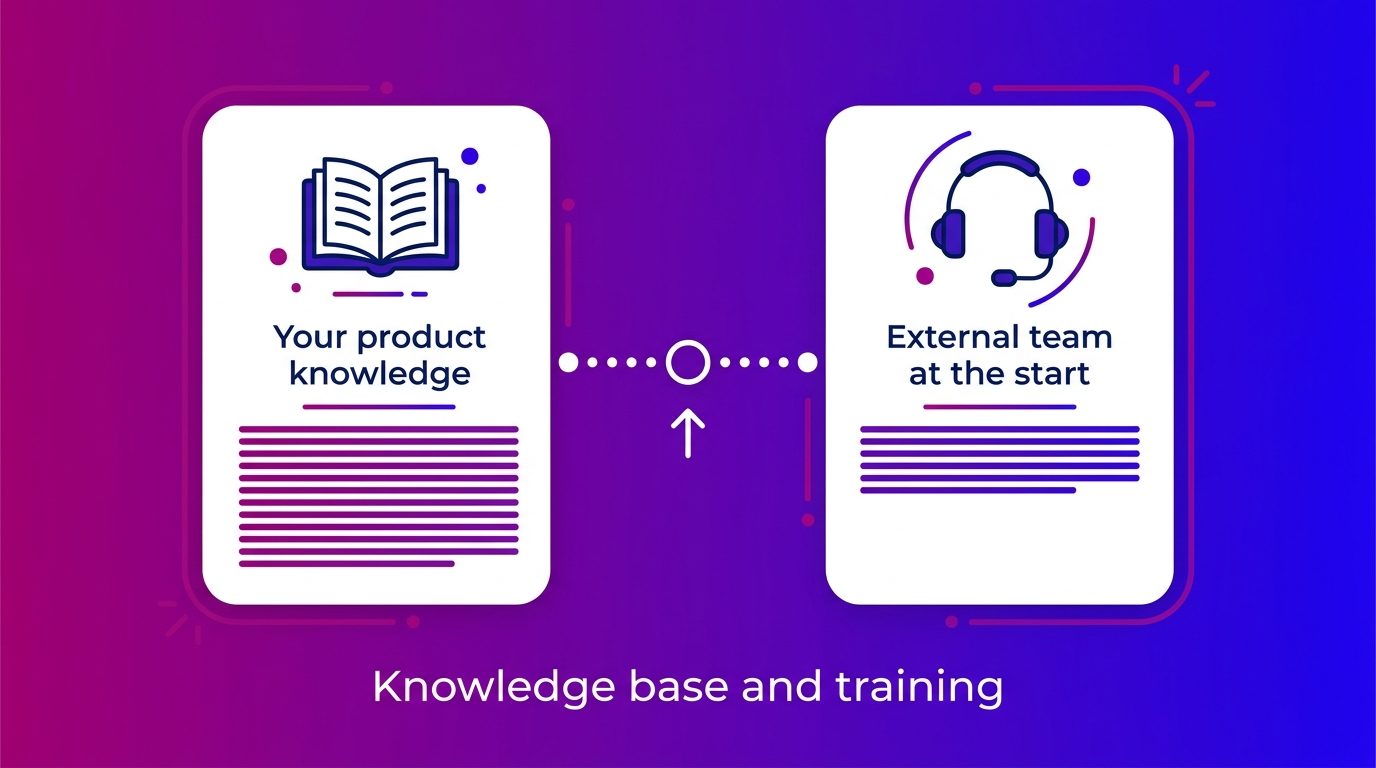
An external chat team always starts with less product and service knowledge than your own staff. At the beginning, operators do not know exactly what sets your dealership, your estate agency or your clinic apart from the competition. That knowledge gap leads to generic answers, missed buying signals and sometimes incorrect information, so visitors drop out or do not book an appointment.
In sectors such as automotive, property and clinics, sector knowledge is crucial: a visitor asking for a test drive or a viewing expects an operator who understands what is going on. Bconnect trains operators specifically for these sectors, so the knowledge gap at the start is smaller than with generic chat providers.
Onboarding takes time and attention
Outsourcing live chat is not a case of switching it on and walking away. In the first weeks, onboarding takes time from your team: supplying product information, drawing up FAQs, defining the tone of voice, agreeing opening and closing lines and recording escalation procedures. Anyone who expects a provider to fill in everything on its own usually gets a disappointing start.
That investment is needed to keep the chat consistent with the rest of your organisation. The flexibility of an outsourced chat is also limited in the start-up phase: only after good onboarding do you get the full benefit of scalability and speed. You limit the burden by appointing one internal contact who can take decisions and give feedback. After a good onboarding, the attention needed drops to periodic reviews and content updates.
Quality differences between providers are large
Not every live chat outsourcing provider applies the same standards for selection, training and quality control. Responsiveness can vary widely, from seconds to minutes, with a direct effect on the number of leads and appointments. Conversation quality, language level and commercial sharpness also differ, especially in sectors where recognising buying intent is crucial.
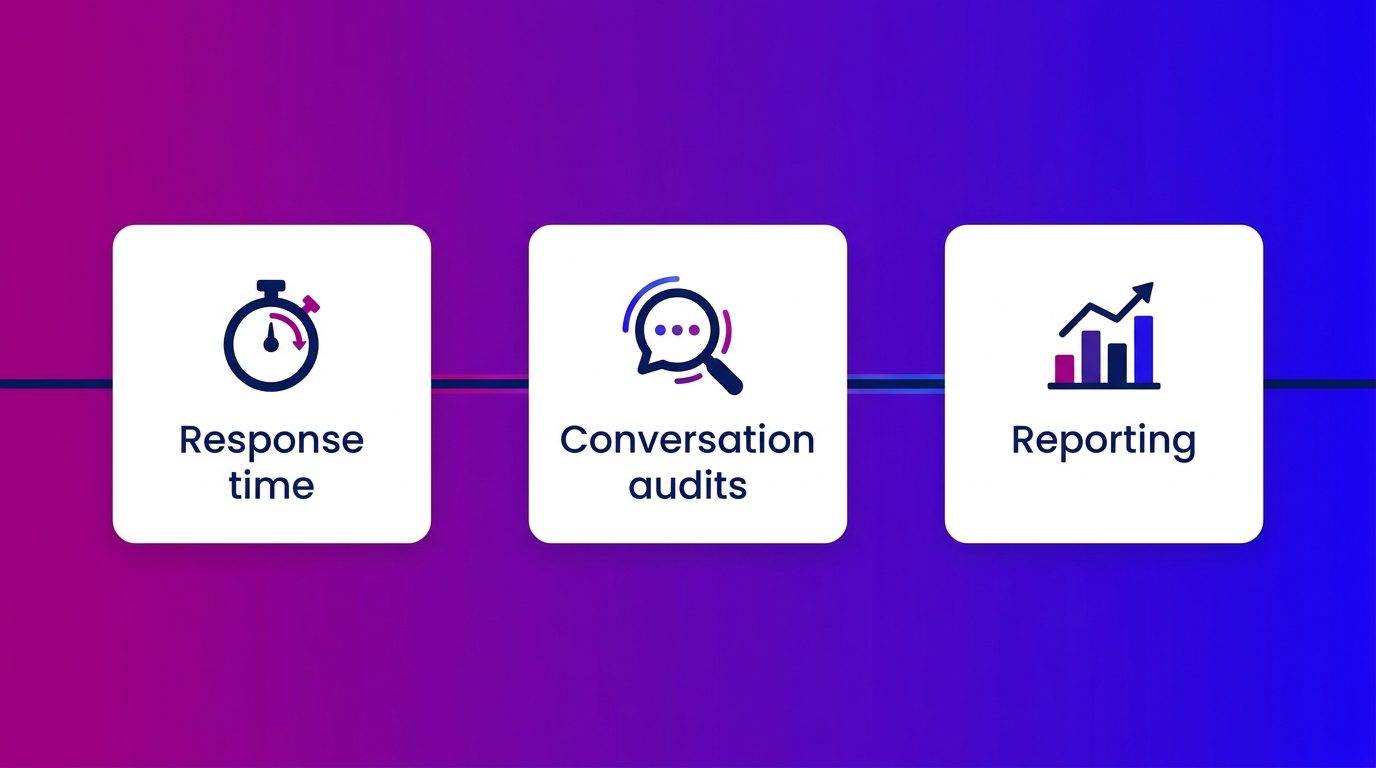
For your choice, it is therefore important to ask about concrete quality indicators. Ask explicitly how quality control is organised and compare the responsiveness of an outsourced chat with that of your own team. Think of:
- average response time
- conversation reviews and audits
- structured reporting and improvement actions
Only choose a partner that is open about these figures and willing to agree KPIs and improvement points with you.
Dependence on one external party
If you outsource your live chat completely, you become dependent on the performance and continuity of one external provider. A drop in quality, the end of a contract or staff changes on the provider’s side can put your availability under pressure immediately. The customer experience becomes unnecessarily vulnerable, especially if there is no back-up or transferable knowledge.
You limit this risk by including clear terms in the contract on notice periods, the transfer of data and knowledge bases and the availability of export functions. Always keep your own basic documentation, such as scripts, FAQs and process agreements. That way you can switch more quickly to another party or temporarily to in-house management, without the customer experience collapsing. How to choose the right live chat outsourcing partner and which criteria count is covered in a separate article.
Privacy and data security need explicit agreements
Chat conversations often contain personal data and sometimes sensitive information, for example about health questions at clinics or financial situations at estate agents. When you outsource, a formal controller-processor relationship arises and it is crucial to record security and privacy properly. Without clear agreements you run the risk of UK GDPR issues, data breaches and reputational damage.
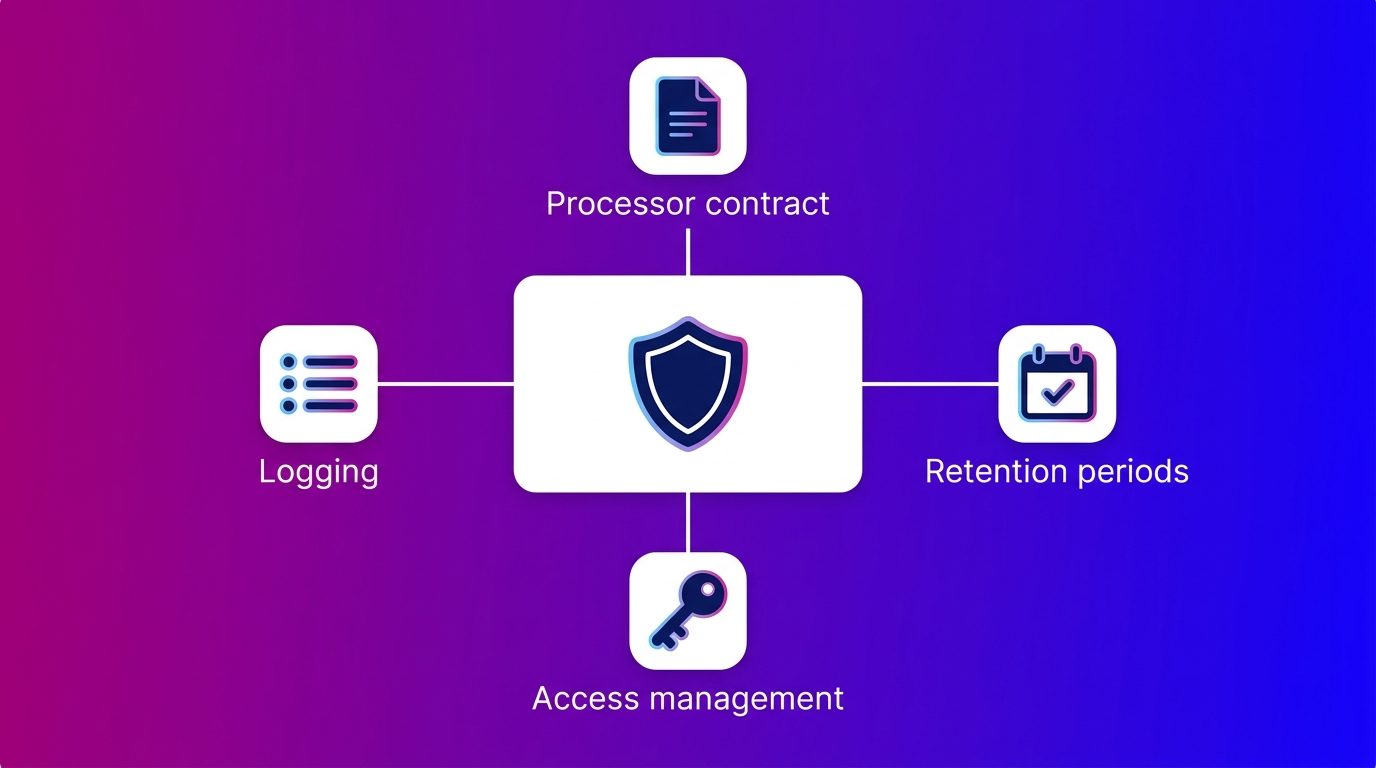
The ICO explains that a written contract between controller and processor is required under UK GDPR whenever a processor handles personal data on your behalf. Beyond that contract, look at retention periods and deletion procedures, access management, roles and rights, and logging of logins and data use. Check whether the provider can explain this transparently and whether its processes match your internal compliance requirements. That way you keep control of customer data, even when conversations are held externally.
Tone of voice can differ from your brand
External operators do not live inside your organisation and brand every day. They mainly work with scripts and guidelines and can therefore come across as slightly more formal, informal or generic than you are used to. In sectors such as premium automotive, high-end property or specialist clinics, where brand experience and trust weigh heavily, the wrong tone can lead directly to fewer enquiries or doubt among visitors.
You reduce this risk by making your tone of voice very concrete: example sentences, example conversations and clear dos and don’ts. Also plan regular conversation audits and compare the outsourced conversations with your own internal reviews. Combine data (conversions, customer feedback) with a content review of conversations and adjust with feedback, extra training or revised scripts.
The disadvantages are real, but usually manageable
The main disadvantages of outsourcing live chat concern knowledge transfer, quality control, dependence and data security. Anyone who takes these challenges seriously up front can reduce most risks with good onboarding, clear agreements and regular evaluation. The balance between the pros and cons therefore depends heavily on your preparation and the professionalism of the partner you choose. For the other side of the coin, read the article on the benefits of outsourcing live chat.
Outsourcing with the right framework
Bconnect works with a structured onboarding process, fixed feedback cycles and operators trained specifically for your sector, such as automotive, property and clinics. Combined with a hybrid model of AI agents and human chat operators, the most common disadvantages of outsourcing live chat are structurally limited. Want to know more about how we do that? Read how Bconnect runs outsourced live chat.
Frequently asked questions about the disadvantages of outsourcing live chat
How do I limit the risk of limited product knowledge when outsourcing?
Limit the knowledge gap with targeted onboarding: supply a clear knowledge base with products, services, distinguishing points and frequently asked questions. Work with conversation scenarios and example chats that show how you want responses and follow-up to look, for example for a test drive request or a viewing. Also set up a fixed feedback cycle: discuss missed opportunities and factual errors periodically, add to the knowledge base and update scripts when products or promotions change.
How do I check the quality of outsourced chat operators?
Record up front how you want to measure quality and how often you get insight into the results. Think of KPIs such as response time, number of conversations, lead conversion, customer satisfaction and conversation reviews. Ask the provider explicitly how quality control is organised internally and which reports you receive. Combine those figures with periodic conversation audits and feed findings back to the provider with concrete improvement agreements.
Is outsourcing live chat safe for customer data and compliant with UK GDPR?
Outsourcing live chat can be compliant, provided the right agreements and measures are in place. Always put a written contract in place that states which data is processed, for what purpose, how long it is kept and how it is deleted. Ask about the systems used, the location of servers and the security measures. Also check how access management is arranged and align the provider’s way of working with your own privacy and security policy.
How do I keep a consistent tone of voice with external operators?
Make your brand tone explicit with concrete examples: the preferred form of address, the level of formality, words you do or do not want to use and example answers to critical questions. These examples are often more effective than general guidelines. Then compare outsourced conversations with your own internal reviews regularly. Look not only at figures but also at whether conversations feel typically yours. Use audits and feedback loops to adjust scripts, opening lines and sign-offs until the external tone matches your brand.
How do I limit my dependence on one provider?
Agree notice periods, the transfer of data and knowledge bases and the availability of export functions in the contract. Keep your own copy of scripts, FAQs and process agreements, so you can switch to another party or to in-house management without starting from scratch.
How much time does onboarding really take?
Expect the first weeks to require real time from one internal contact: supplying product information, reviewing test conversations and giving feedback. After that, attention drops to periodic reviews and updates when your offering or promotions change.